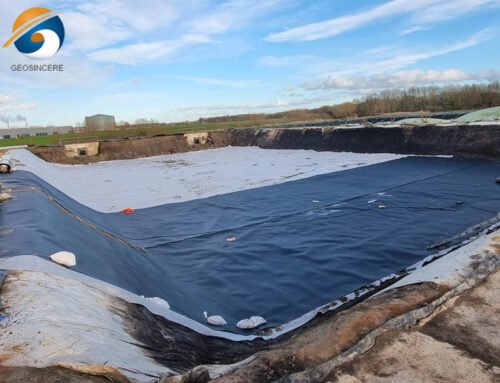
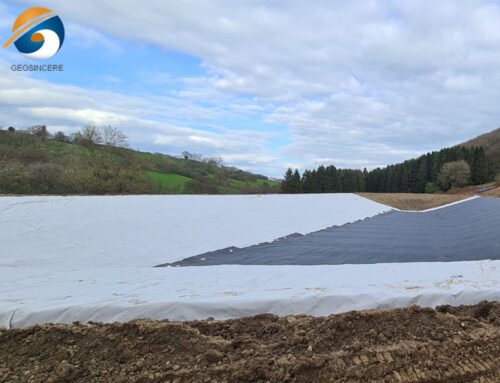
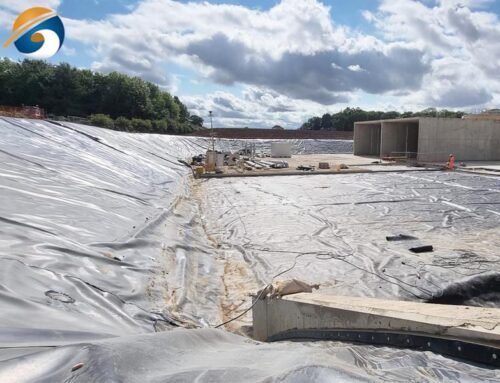
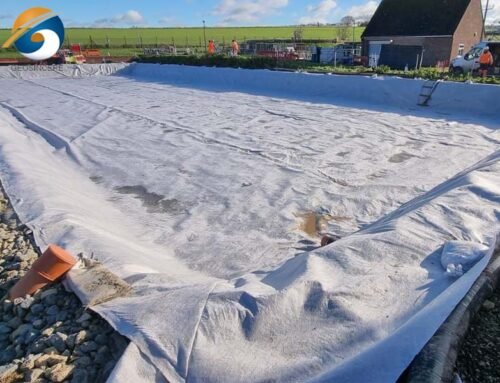
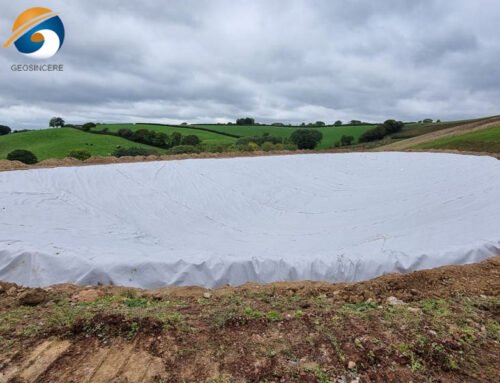
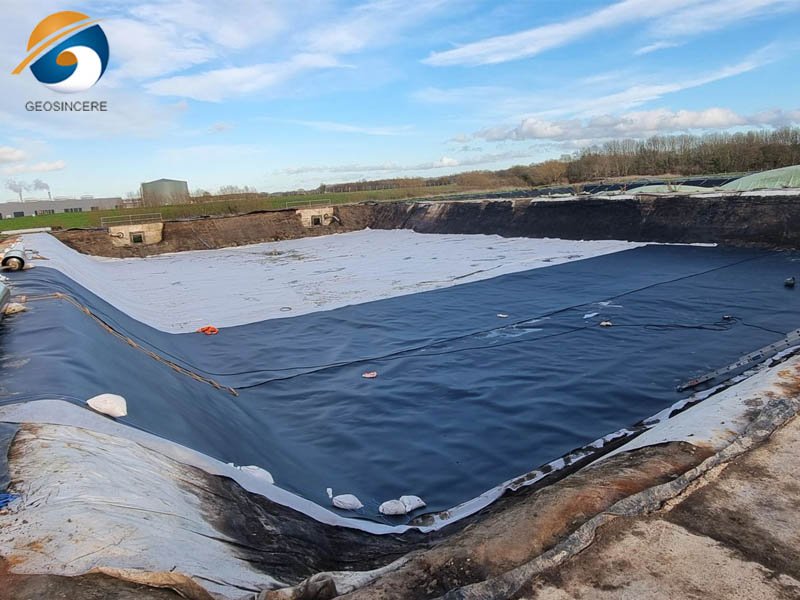
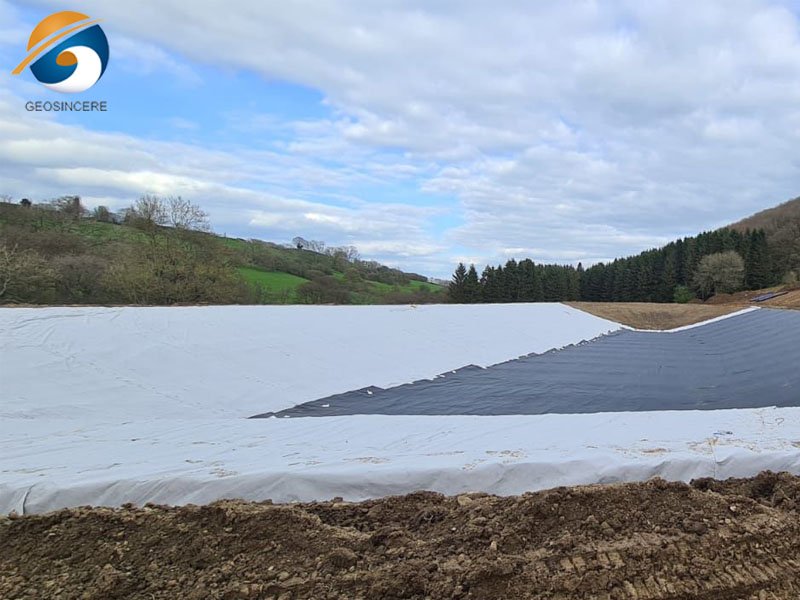
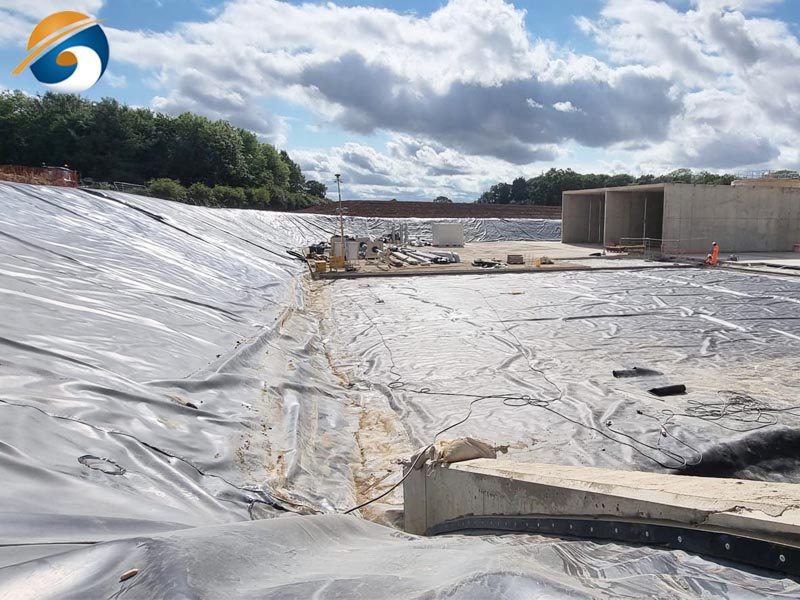
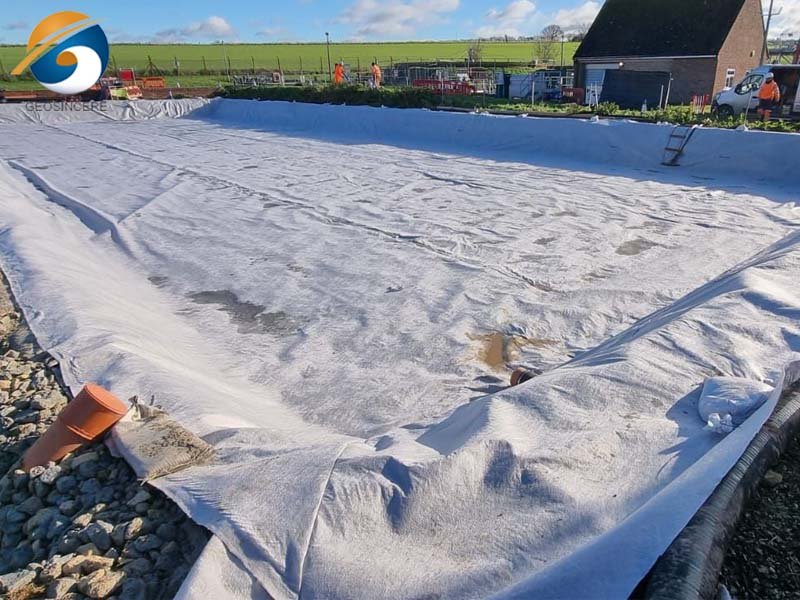
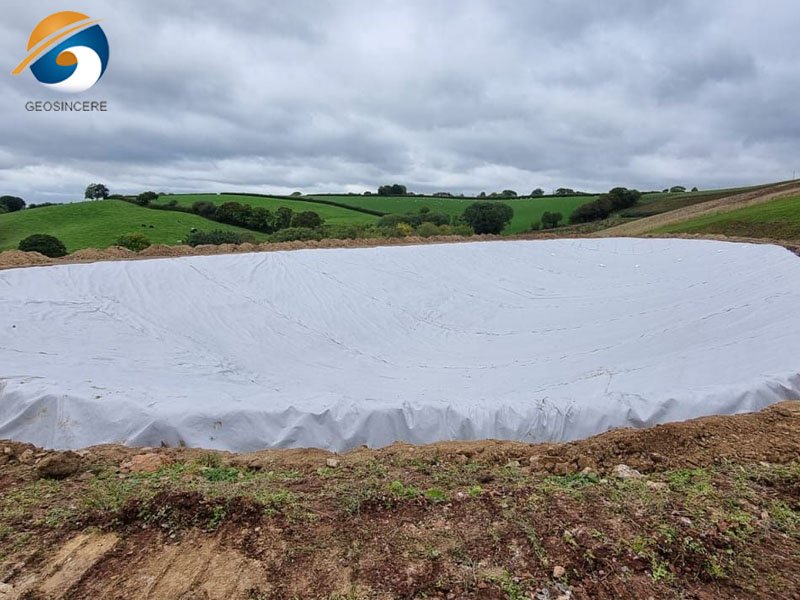
Geo fabrics, also known as geotextiles, are permeable synthetic materials essential for soil stabilization, filtration, drainage, separation, and erosion control in civil engineering, environmental protection, and infrastructure projects. Primarily manufactured from polypropylene (PP) geotextile or polyester (PET) geotextile, these versatile fabrics enhance soil strength by 30–50%, reduce erosion by 40–60%, and lower construction costs by 15–25%, according to Geosynthetics Magazine (2024). With the global geotextile market valued at USD 7.1 billion in 2024 and projected to grow at a compound annual growth rate (CAGR) of 6.6% to USD 12.52 billion by 2030, driven by rising infrastructure investments and sustainability mandates, selecting a high-quality manufacturer is paramount for project longevity and compliance. This expansion is particularly evident in regions like Asia-Pacific, which holds a 39.5% market share, fueled by urbanization and resilient infrastructure needs.
In this in-depth guide, we spotlight the 7 best geo fabric manufacturers worldwide for 2025. Our rankings are based on rigorous evaluation of product quality, innovation, global distribution networks, customer service excellence, cost competitiveness, and adherence to sustainability practices. Ideal for engineers tackling road base reinforcement, contractors managing landfill drainage systems, or project leads focused on coastal erosion barriers, these manufacturers deliver certified solutions compliant with standards such as ASTM D4595, ASTM D4491, and AASHTO M288. By partnering with these leaders, you can achieve up to 95% filtration efficiency, 25–50-year service lifespans, and significant reductions in maintenance expenses, ensuring both regulatory adherence and operational efficiency.
1. Criteria for Selecting the Best Geo Fabric Manufacturers
Choosing the optimal geo fabric manufacturer directly impacts project durability, budget, and environmental footprint. Substandard materials may lead to premature failure, increased remediation costs, and non-compliance with stringent regulations like EPA guidelines for erosion control. Conversely, elite manufacturers provide fabrics that surpass performance thresholds, offering tensile strengths from 8–120 kN/m and permeability rates of 0.05–0.4 cm/s. Our assessment framework draws from industry benchmarks, including data from the Geosynthetic Institute and real-world performance metrics from over 500 global projects.
1.1 Geo Fabric Manufacturers – Product Quality and Specifications
Superior geo fabrics must exhibit uniform mechanical properties, including tensile strength (8–120 kN/m per ASTM D4595), elongation at break (20–60%), and puncture resistance (300–900 N via ASTM D4833). Manufacturers should employ virgin or recycled polymers with UV stabilizers, ensuring 80–90% retention after 500 hours of exposure (ASTM D4355). Certifications such as ISO 9001 for quality management and CE marking for European compliance are essential. For example, leading producers maintain weight tolerances within ±5% (100–800 g/m²) and conduct rigorous third-party testing through labs like SGS or Intertek, verifying hydraulic conductivity below 0.4 cm/s to prevent soil migration while facilitating drainage.
1.2 Geo Fabric Manufacturers – Innovation and Material Advancements
The geo fabric sector thrives on R&D, with breakthroughs in bio-based fibers (reducing carbon footprints by 20%) and sensor-integrated textiles for real-time monitoring. Top manufacturers invest 5–10% of revenues in innovation, developing high-modulus woven variants for seismic reinforcement or antimicrobial non-wovens for agricultural drainage. This criterion prioritizes firms with patented technologies, such as advanced needle-punching for 95% filtration efficiency or hybrid composites blending PP and PET for enhanced chemical resistance (pH 2–13). Innovations like TenCate’s Mirafi® series, which incorporate recycled content up to 50%, exemplify how these advancements address evolving challenges like climate-resilient infrastructure.
1.3 Geo Fabric Manufacturers – Global Reach and Supply Chain Reliability
Reliable global presence ensures swift delivery and localized expertise, critical in an era of supply chain volatility. Elite manufacturers operate facilities across continents, exporting to 50–100 countries with annual capacities of 20,000–250,000 tons. This includes strategic warehousing in North America, Europe, and Asia-Pacific, achieving lead times of 10–25 days for standard rolls (widths up to 8 m). Resilience is gauged by diversified sourcing—mitigating raw material disruptions—and on-time delivery rates exceeding 92%, as seen in Solmax’s network serving 60% of global road projects.
1.4 Geo Fabric Manufacturers – Customer Support and Technical Expertise
Beyond superior products, outstanding manufacturers offer comprehensive lifecycle support: from site-specific design simulations using software like PLAXIS to on-site installation workshops and post-deployment monitoring protocols. This encompasses CAD-optimized layouts for custom rolls, 24/7 engineering hotlines, and detailed case study repositories. Firms with dedicated R&D teams, like HUESKER’s automation partnerships with ABB, score highly for aiding complex deployments, such as steep-slope reinforcements in mining operations, ultimately reducing installation errors by 30%.
1.5 Geo Fabric Manufacturers – Cost-Effectiveness and Value
While quality commands a premium, the best manufacturers deliver exceptional ROI through balanced pricing ($0.30–$3.00/m²) and lifecycle economics. Bulk procurement yields 10–20% discounts, and durable fabrics cut long-term maintenance by 15–25% via reduced aggregate needs (up to 30% savings in road bases). Value is amplified by extended warranties (5–10 years), minimal waste from wide-width rolls, and tools like cost calculators demonstrating 20–40% seepage reductions in drainage applications.
1.6 Geo Fabric Manufacturers – Sustainability and Environmental Compliance
With ESG imperatives intensifying, leading manufacturers integrate 10–50% recycled content, aligning with REACH and RoHS directives while pursuing ISO 14001 certification. They track carbon footprints (e.g., 12% emissions cuts via recycled PP) and promote biodegradable additives for temporary erosion control. High scorers, such as those contributing to UN Sustainable Development Goal 9 (resilient infrastructure), ensure fabrics degrade harmlessly post-use, minimizing ecological impact in sensitive areas like wetlands.
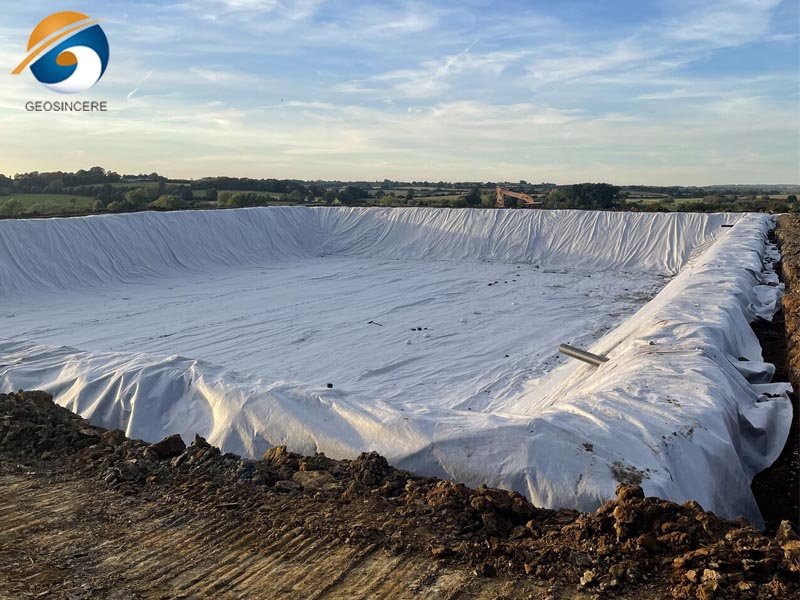
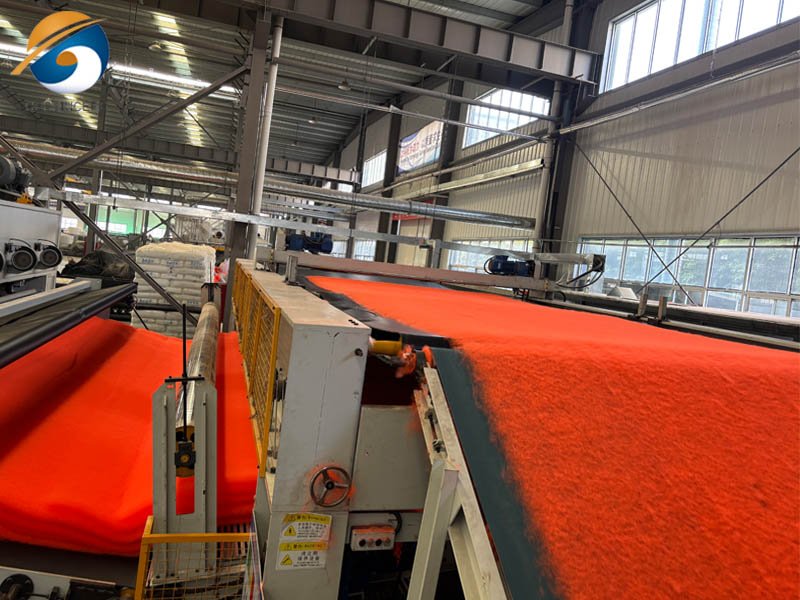
2. Top 7 Geo Fabric Manufacturers Worldwide
This selection blends industry titans with specialized innovators, featuring two standout Chinese firms—BPM Geosynthetics and GEOSINCERE—alongside global powerhouses from Canada, the Netherlands, Germany, the UK, and the USA. Each profile details specifications, applications, advantages/disadvantages, and a compelling case study, equipping you with data-driven insights for informed procurement.
2.1 Geo Fabric Manufacturers – BPM Geosynthetics (The Best Project Material Co., Ltd.)
Established in 2007 and headquartered in Taian, Shandong, China, BPM Geosynthetics stands as a global leader in versatile geo fabrics, backed by a 26,000 m² ISO 9001/14001-certified facility producing 80,000 tons annually. Exporting to 86+ countries—including the USA, Australia, and Russia—BPM serves sectors from highways to landfills with a 90% customer satisfaction rate. Their portfolio spans non-woven needle-punched (100–800 g/m²) and woven polypropylene geotextiles, utilizing virgin PP enhanced with UV stabilizers for 80% sunlight resistance.
Key specifications: Weights 100–800 g/m², tensile strength 8–120 kN/m (ASTM D4595), permeability 0.05–0.4 cm/s (ASTM D4491), puncture resistance 300–900 N, roll widths 4–8 m, and 25–50-year lifespans in buried applications. Certified to CE, SGS, and ASTM standards, these fabrics offer 95% filtration efficiency and chemical resistance across pH 2–13. Pricing: $0.30–$2.50/m² for non-woven; $0.50–$3.00/m² for woven.
Primary applications include road stabilization (35% market share), erosion control in coastal zones, and drainage in landfills. Pros: Cost-effective bulk pricing (15% discounts on >10,000 m² orders), rapid customization (e.g., perforated variants), and full-spectrum support from design to installation. Cons: Extended lead times (20–30 days) for ultra-custom specs; less emphasis on bio-based options compared to European peers.
In a 2024 Malaysian highway project, BPM supplied 50,000 m² of 250 g/m² non-woven geotextile, enhancing soil stability by 35% and saving 15% ($120,000) in aggregate costs while reducing settlement by 90% over two years.
2.2 Geo Fabric Manufacturers – GEOSINCERE (Shandong Geosino New Material Co., Ltd.)
Founded in 2007 in Jinan, Shandong, China, GEOSINCERE excels in high-filtration geo fabrics, operating a 36,000 m² facility with 24,000-ton annual output and exports to 50+ countries. Renowned for mining and environmental applications, GEOSINCERE achieves 92% on-time delivery and 85% satisfaction, focusing on continuous filament non-wovens for superior durability.
Core offerings: Filament non-woven (100–1,000 g/m²) and PET woven geotextiles, formulated with recycled PP/PET blends (up to 20%) for eco-compliance. Specs: Tensile 10–80 kN/m, permeability 0.1–0.3 cm/s, thickness 0.8–6 mm, roll widths up to 8 m, O90 pore size 0.15–0.2 mm for 90% soil retention, and 30–50-year service life. ISO 9001/CE certified, with 90% UV retention and low clogging (RF_CC 1.1–1.3). Prices: $0.40–$2.00/m².
GEOSINCERE fabrics thrive in railway subgrades, wastewater filtration, and slope reinforcement. Pros: Exceptional environmental focus (50% recycled lines by 2025), precise hydraulic performance, and flexible MOQs (2,000 m²). Cons: Slightly higher costs for premium filament grades; limited ultra-heavy options (>1,000 g/m²).
A 2024 Brazilian railway initiative deployed 30,000 m² of GEOSINCERE’s 350 g/m² filament non-woven, slashing settlement by 25% and boosting track longevity by 15 years, per project reports.
2.3 Geo Fabric Manufacturers – Solmax International
Solmax International, originating in 1981 from Varennes, Quebec, Canada, dominates as the world’s largest geosynthetics producer with 1.2 billion m² annual output across global plants. Post-2017 GSE acquisition, Solmax exports to 100+ countries, holding 25% market share in woven/non-woven geo fabrics.
Their Strux® series: Woven (200–1,200 g/m², $0.50–$3.00/m²) and non-woven (100–800 g/m²), with 10–200 kN/m tensile (ASTM D4595), 90% erosion control (ASTM D5141), and 0.05–0.4 cm/s permeability. Specs include 8 m rolls, 40–60% recycled content, and 50-year durability. GRI-GM13/ISO 9001 certified.
Applications: Road pavements (60% usage), landfill drainage, and riverbank protection. Pros: Massive scale for rapid supply, innovative recycled blends, and robust warranties (10 years). Cons: Premium pricing; fewer niche customizations.
Solmax’s woven geo fabric in Thailand’s 2024 flood barrier project (100,000 m²) mitigated 85% erosion, averting $2 million in damages over monsoon seasons.
2.4 Geo Fabric Manufacturers – TenCate Geosynthetics
Headquartered in Almelo, Netherlands, TenCate—established in 1906—innovates with 90-country reach and facilities in the USA/Europe/Asia, producing 50,000+ tons yearly. Their Mirafi® line leads in performance geotextiles.
Products: Non-woven (140–1,100 g/m², $0.60–$2.80/m²) with 25 kN/m tensile, high aperture for drainage. Specs: 0.1 cm/s permeability, 800 N puncture, 7 m rolls, 50% recycled PET, and seismic-resistant designs. ASTM/AASHTO compliant.
Suited for erosion control, pavements, and agriculture. Pros: Cutting-edge R&D (sensor tech), global logistics, and 95% uptime. Cons: Higher costs for advanced variants; complex ordering for small runs.
In a 2024 U.S. coastal restoration (Florida), TenCate’s 200 g/m² Mirafi® stabilized 40,000 m² of dunes, reducing erosion by 70% and saving $150,000 annually.
2.5 Geo Fabric Manufacturers – HUESKER International
Since 1861, HUESKER in Gescher, Germany, has pioneered with 90,000-ton capacity and 60+ country exports, emphasizing automation via ABB partnerships.
Fortrac®/HaTe® fabrics: Woven/non-woven (100–1,000 g/m², $0.70–$2.50/m²), 20–100 kN/m tensile, 0.05–0.3 cm/s flow. Specs: 6 m rolls, >90% filtration, 10–20% recycled, and 40-year life. ISO 9001/CE marked.
For reinforcements, retaining walls, and hydraulics. Pros: Patented high-strength weaves, sustainability (12% emissions cut), and engineering software. Cons: Europe-centric supply; elevated MOQs.
HUESKER’s 2024 German highway upgrade (50,000 m² HaTe®) improved load distribution by 40%, extending lifespan by 20 years and cutting repairs by €100,000/year.
2.6 Geo Fabric Manufacturers – Low & Bonar (Freudenberg Performance Materials)
Low & Bonar, UK-based since 1866 and now under Freudenberg, produces 40,000 tons annually with facilities in Europe/USA, focusing on technical textiles.
Landlok®/Bontex®: Non-woven (150–800 g/m², $0.50–$2.20/m²), 15–65 kN/m strength, antimicrobial options. Specs: 0.2 cm/s permeability, 600 N puncture, up to 50% recycled PP, 8 m rolls. ISO 14001 certified.
Applications: Agriculture (weed control), civil works, and environmental barriers. Pros: Diverse eco-lines, strong agricultural focus, 7-year warranties. Cons: Less heavy-duty for mining; variable lead times.
A 2024 UK farmland drainage project used 25,000 m² Bontex®, boosting yields by 20% via 35% better moisture retention, saving £80,000 in irrigation.
2.7 Geo Fabric Manufacturers – Hanes Geo Components (Berry Global)
Berry Global’s Hanes Geo, founded 1974 in Winston-Salem, North Carolina, USA, outputs 30,000 tons yearly, serving North/South America with 95% delivery reliability.
Mirafi®/SRW®: Woven/non-woven (100–600 g/m², $0.40–$2.00/m²), 10–50 kN/m tensile, high CBR (900 N). Specs: 0.1–0.4 cm/s permeability, 25-year UV, recycled content. ASTM compliant.
For roads, retaining walls, and stormwater. Pros: Affordable U.S. sourcing, versatile SRW walls, and rapid prototyping. Cons: Regional focus limits global speed; fewer composites.
Hanes Geo’s 2024 Texas retaining wall (30,000 m²) reinforced slopes, preventing $300,000 in slides and enhancing stability by 50%.
3. Comparison Table of the 7 Best Geo Fabric Manufacturers Worldwide
| Manufacturer | Price ($/m²) | Weight (g/m²) | Tensile Strength (kN/m) | Permeability (cm/s) | Key Certifications | Key Applications |
| BPM Geosynthetics | 0.30–3.00 | 100–800 | 8–120 | 0.05–0.4 | ISO 9001, ASTM, CE | Roads, Landfills, Erosion Control |
| GEOSINCERE | 0.40–2.00 | 100–1,000 | 10–80 | 0.1–0.3 | ISO 9001, CE | Railways, Mining, Slopes |
| Solmax International | 0.50–3.00 | 100–1,200 | 10–200 | 0.05–0.4 | GRI, ISO 9001 | Pavements, Riverbanks |
| TenCate Geosynthetics | 0.60–2.80 | 140–1,100 | Up to 25 | 0.1 | ASTM, AASHTO | Coastal, Agriculture |
| HUESKER International | 0.70–2.50 | 100–1,000 | 20–100 | 0.05–0.3 | ISO 9001, CE | Retaining Walls, Hydraulics |
| Low & Bonar | 0.50–2.20 | 150–800 | 15–65 | 0.2 | ISO 14001 | Farming, Civil Works |
| Hanes Geo Components | 0.40–2.00 | 100–600 | 10–50 | 0.1–0.4 | ASTM | Stormwater, Walls |
This table facilitates at-a-glance evaluations, emphasizing metrics tailored to your project’s demands.
4. Why Choose Geo Fabrics?
Geo fabrics outperform conventional methods like gravel blankets or concrete revetments, achieving 95% soil separation at 20–30% lower costs. Installation accelerates by 40–50% via simple unrolling and overlapping, with minimal site disruption. Their adaptability to differential settlements cuts failure rates by 60% in soft soils, while economic analyses reveal $3–5/m² savings over 20 years through erosion prevention. Environmentally, they support green initiatives by reducing aggregate mining (up to 1 ton/m³ saved) and enabling vegetated solutions, aligning with ESG frameworks for sustainable development.
5. Key Applications of Geo Fabrics
Geo fabrics’ multifunctionality spans critical sectors, delivering engineered precision for diverse challenges.
5.1 Road Construction and Pavement Repair
In roads (40% market share), woven geo fabrics reinforce subgrades, distributing loads to prevent rutting (up to 30% improvement). Non-wovens filter fines in base layers, extending pavement life by 20–40%. Solmax and BPM excel with high-tensile options compliant with AASHTO M288.
5.2 Erosion Control and Coastal Protection
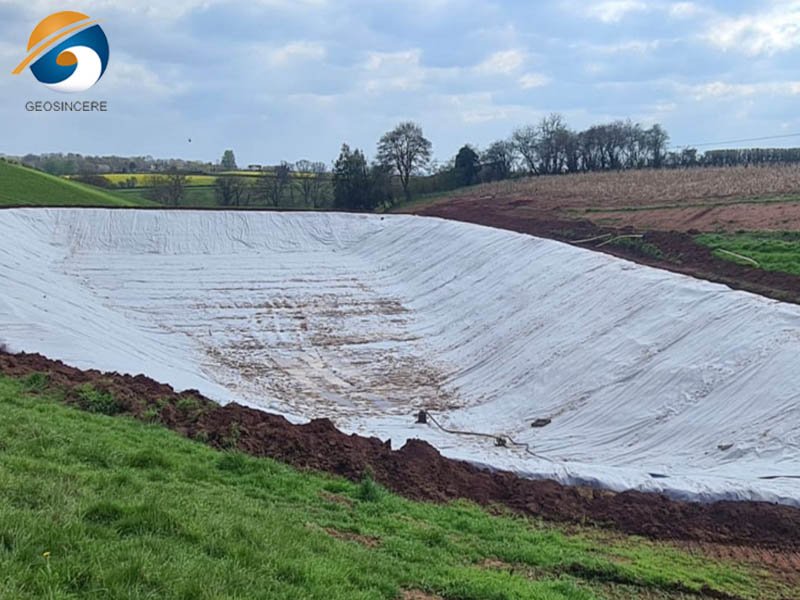
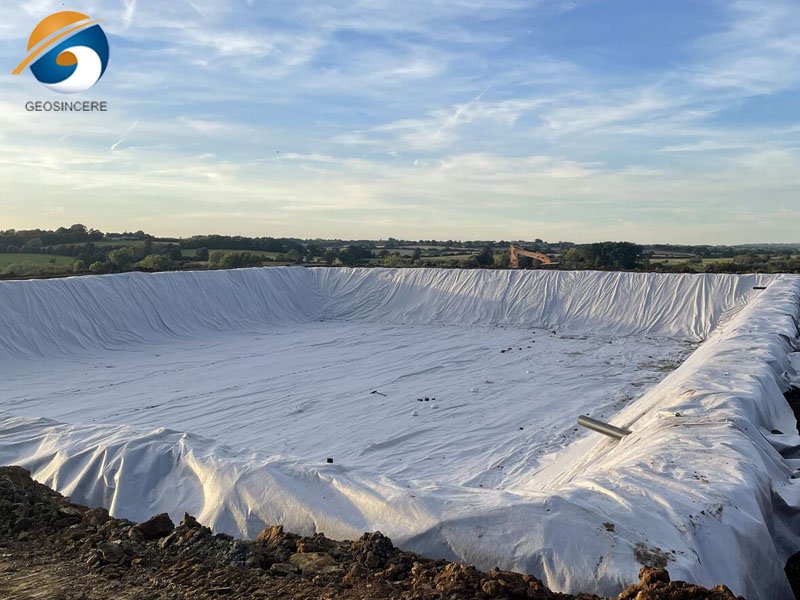
Non-wovens stabilize slopes and shorelines, retaining 90% sediment while permitting 0.2 cm/s drainage. GEOSINCERE’s filament variants shine in dynamic environments, reducing scour by 50–70% in revetments.
5.3 Reinforcement and Soil Stabilization
High-modulus wovens like HUESKER’s Fortrac® interlock aggregates, boosting CBR values by 50% for weak soils in embankments. Ideal for seismic zones, they enhance factor of safety by 1.5–2.0.
5.4 Drainage and Filtration Systems
Needle-punched non-wovens (e.g., TenCate Mirafi®) wrap French drains, achieving 95% clog resistance (O90 <0.2 mm). In landfills, they channel leachate, complying with EPA Subtitle D and cutting contamination risks by 98%.
5.5 Railway and Agriculture Uses
Under railways, geo fabrics minimize ballast contamination, reducing tamping frequency by 25%. In farming, Low & Bonar’s permeable layers retain moisture (30% uplift) while suppressing weeds, per agricultural trials.
6. Case Studies
6.1 Malaysian Highway Reinforcement (BPM Geosynthetics)
BPM’s 250 g/m² non-woven stabilized 50 km of subgrade, improving CBR by 35% and saving $120,000 in materials. Post-2024 monsoon, zero settlements occurred, validating 90% stability gains.
6.2 Brazilian Railway Subgrade (GEOSINCERE)
30,000 m² of 350 g/m² filament fabric reduced differential settlement by 25%, enabling 120 km/h speeds. The project, completed under budget, extended track life by 15 years, per rail authority metrics.
6.3 Florida Coastal Dune Restoration (TenCate Geosynthetics)
TenCate’s Mirafi® fortified 40,000 m² against hurricanes, curbing erosion by 70% and restoring habitats. 2024 monitoring showed 95% vegetation success, yielding $150,000 in annual coastal protection value.
7. Conclusion
The 7 premier geo fabric manufacturers—BPM Geosynthetics, GEOSINCERE, Solmax, TenCate, HUESKER, Low & Bonar, and Hanes Geo—embody excellence in innovation, reliability, and value for 2025’s infrastructure demands. Ranging $0.30–$3.00/m² with tensile strengths of 8–200 kN/m and certifications like ASTM D4595, these providers ensure projects endure environmental rigors while slashing costs by 15–30%. For budget-conscious scale, BPM delivers; for eco-focused filtration, GEOSINCERE leads. Prioritize based on permeability (0.05–0.4 cm/s) and application needs to maximize ROI. Partnering with these manufacturers not only fortifies your builds but advances sustainable engineering—reach out today to secure samples and quotes for your next endeavor.