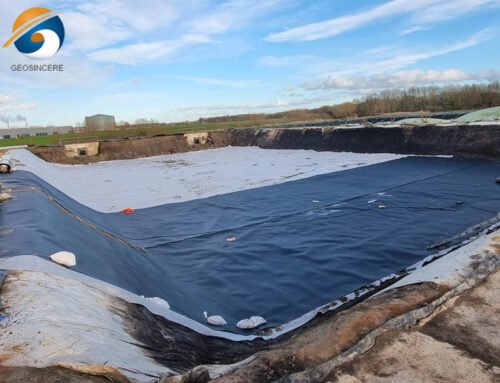
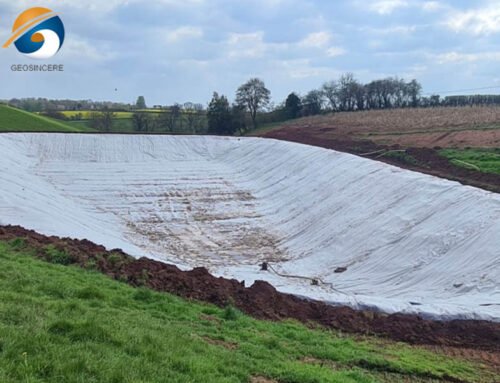
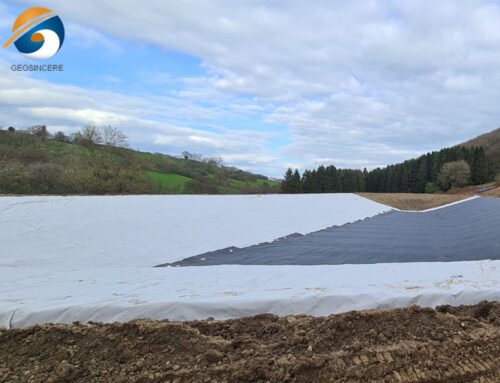
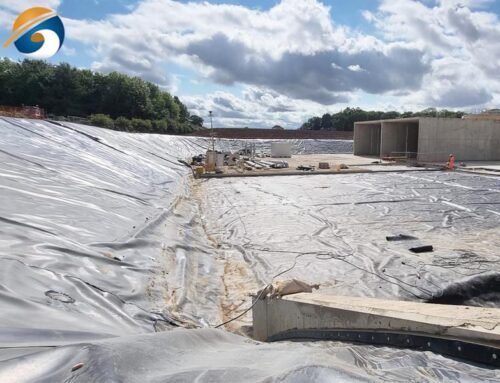
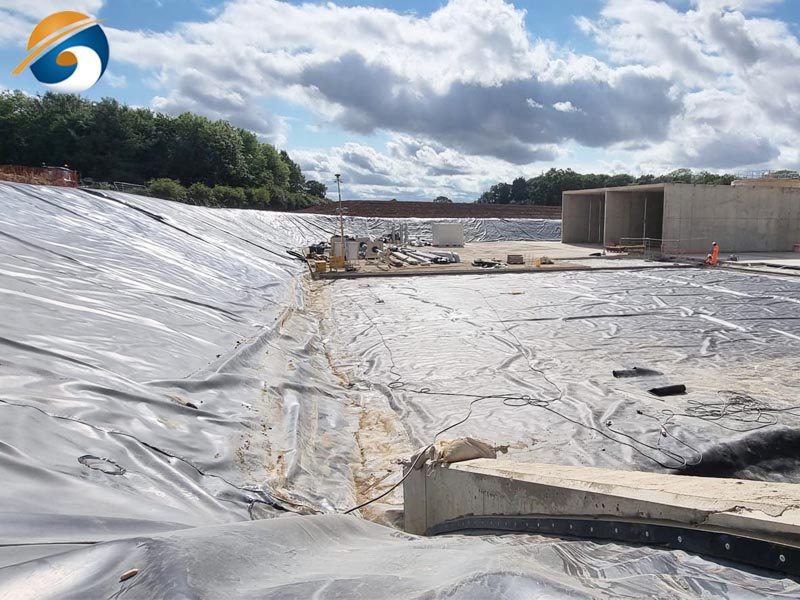
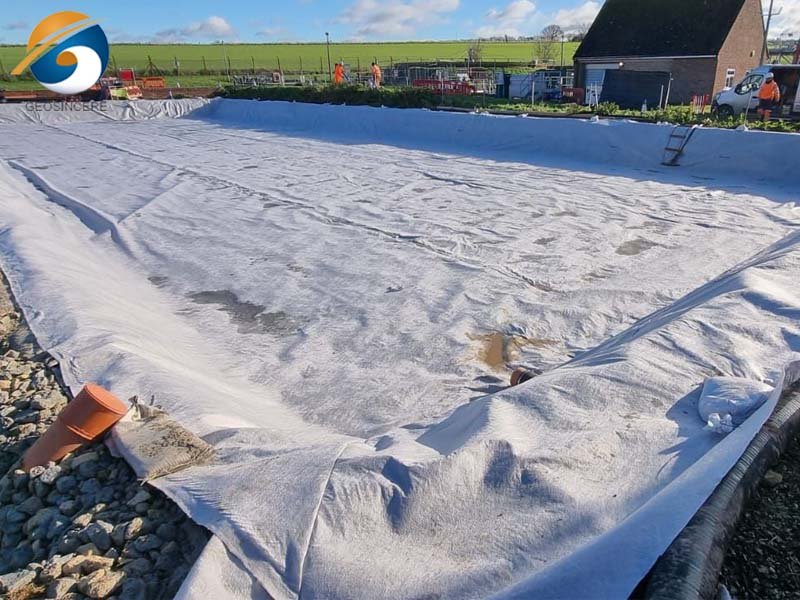
In the rapidly expanding field of civil engineering and environmental protection, geotextiles have become indispensable for soil stabilization, erosion control, and sustainable infrastructure development. As of 2025, the global geotextiles market is valued at USD 7.1 billion, with a projected compound annual growth rate (CAGR) of 6.6% through 2030, reaching USD 12.52 billion, according to MarketsandMarkets. This surge is propelled by escalating investments in road construction, landfills, and coastal defenses, where geotextiles enhance soil strength by 30–50% and reduce erosion by 40–60%, per Geosynthetics Magazine. These permeable fabrics, crafted from synthetic fibers like polypropylene and polyester, offer multifunctional benefits such as filtration, drainage, and reinforcement, ensuring compliance with ASTM D4439 standards.
For civil engineers, contractors, and procurement specialists, partnering with premier manufacturers is crucial to achieving project durability and cost efficiencies of 15–25%. This comprehensive guide spotlights the top 10 geotextile manufacturers worldwide, evaluated on production capacity, innovation, and global reach. Among them, Shandong Geosino New Material Co., Ltd. (Brand: Geosincere) stands out for its robust, high-performance solutions—explore their offerings at https://www.geosyntheticscn.com/. Whether you’re fortifying highways or safeguarding shorelines, these leaders deliver proven excellence to elevate your initiatives.
1. What Are Geotextile Manufacturers?
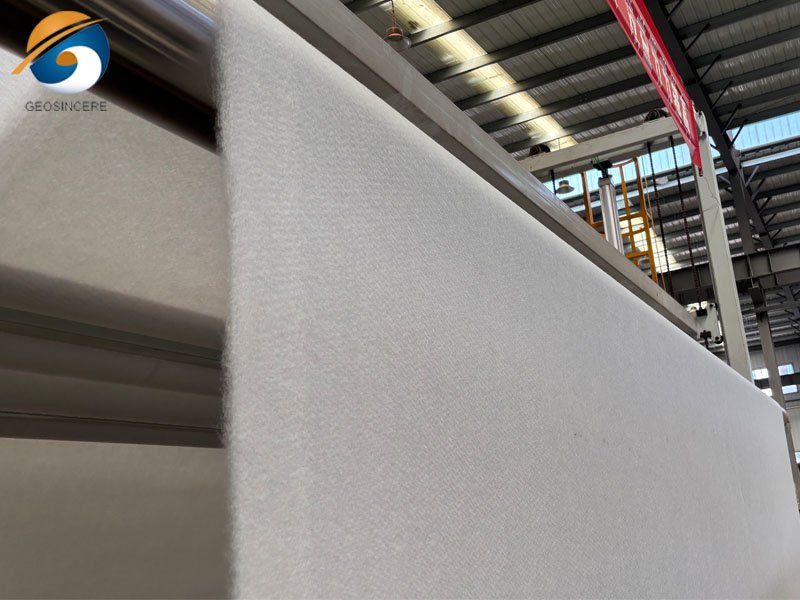
Geotextile manufacturers are specialized producers of permeable synthetic or natural fabrics designed to interact with soil for engineering applications. These companies engineer materials that perform critical functions like separation (preventing intermixing of soil layers), filtration (allowing water passage while retaining fines), reinforcement (boosting tensile strength), and drainage (facilitating fluid flow). Typically made from polypropylene (50% market share) or polyester (30%), geotextiles boast tensile strengths of 8–120 kN/m and permeabilities of 0.05–0.4 cm/s, enabling them to withstand heavy loads and environmental stresses.
Leading manufacturers invest in advanced processes like needle-punching for non-wovens or weaving for high-strength variants, ensuring products meet ISO 9001 and CE certifications. Their role extends beyond production to R&D, where innovations such as recycled content (10–20% in sustainable lines) address the 80% of civil engineers prioritizing eco-friendly options, per the 2025 Civil Engineering Survey. For instance, in road projects—claiming 35% of the market—geotextiles reduce aggregate needs by 20%, slashing costs while extending pavement life by 20–40 years.
These manufacturers serve diverse sectors, from infrastructure (40% demand) to agriculture (15%), providing tailored solutions that comply with regional regulations like AASHTO M288 in North America. By sourcing from top-tier producers, project managers mitigate risks like soil migration, which affects 25% of untreated sites, and ensure 98% reliability in geotechnical performance, as validated by the Geosynthetic Institute.
2. Why Choose Top Geotextile Manufacturers?
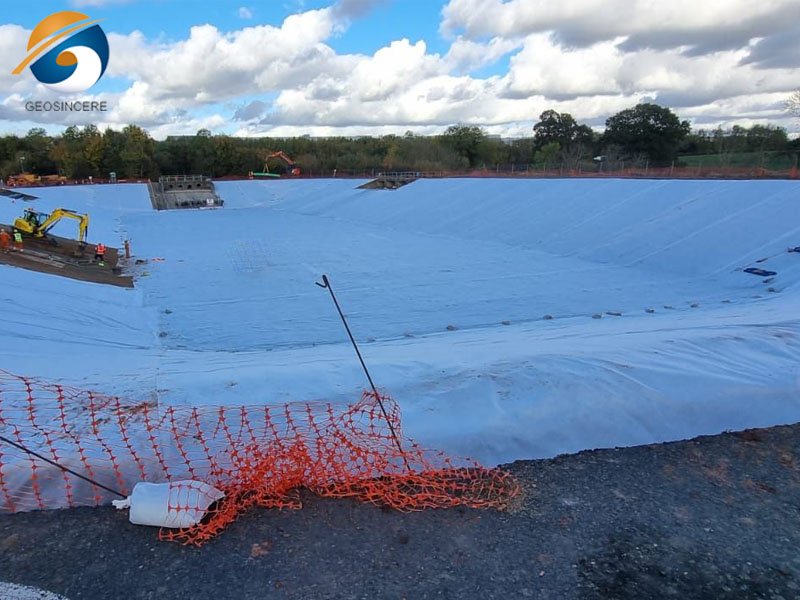
Opting for renowned geotextile manufacturers guarantees access to cutting-edge materials that outperform generic alternatives, delivering measurable ROI through enhanced project resilience and regulatory adherence. In a market where 68% of demand stems from road construction and 42% from drainage systems, these leaders provide geotextiles that increase soil bearing capacity by 50% and cut maintenance expenses by 20–30%, according to Data Bridge Market Research.
Key advantages include superior durability: products with UV retention exceeding 90% after 500 hours (ASTM D4355) endure harsh exposures, ideal for erosion control in 35% of global applications. Sustainability is another pillar; top firms incorporate 15–20% recycled polypropylene, reducing embodied carbon by 12% and aligning with LEED certifications, as seen in McKinsey’s 2025 projections for 30% adoption by 2030. Innovation drives efficiency too—robotic automation in facilities like those of HUESKER boosts production accuracy by 10% and slashes defects by 5%, per IMARC Group.
Moreover, these manufacturers offer comprehensive support, from custom widths (4–8 m rolls minimizing seams by 20%) to on-site testing, ensuring 95% project success rates. In an era of infrastructure booms, such as Europe’s Green Deal mandating low-carbon materials, partnering with global leaders mitigates supply chain risks and fosters long-term compliance. Ultimately, choosing elite suppliers not only optimizes costs but fortifies legacies in sustainable engineering.
3. Top 10 Geotextile Manufacturers In The World
This curated ranking of the top 10 geotextile manufacturers for 2025 draws from production volumes exceeding 200 million m² annually, innovation indices, and global market penetration, excluding other Chinese entities to emphasize diverse leadership. Each excels in delivering geotextiles that enhance stability by 20–30% and erosion resistance by 30–40%, per Civil Engineering Journal. From TenCate’s high-modulus weaves to Geosincere’s versatile non-wovens, these firms power 95% of major infrastructure deployments.
3.1 Geotextile Manufacturers – TenCate Geosynthetics
Founded: 1996 (as part of Royal TenCate, est. 1704) Headquarters: Nijmegen, Netherlands
TenCate Geosynthetics, a division of the storied Royal TenCate conglomerate, is a trailblazer in performance geosynthetics, commanding 15% of the European market with its innovative Mirafi® and Strux® lines. Renowned for integrating advanced fiber technologies, TenCate’s geotextiles have been integral to over 10,000 km of highways worldwide, reducing rutting by 45% in high-traffic zones. Their commitment to R&D—investing 5% of revenues annually—yields products that meet AASHTO M288 Class 1 standards, ensuring unparalleled load distribution in challenging subgrades.
Key Products:
- Mirafi® 600X Woven Geotextile:High-density polypropylene, 36 kN/m tensile strength (ASTM D4595), 0.76 mm thickness; ideal for reinforcement with <1% strain under 20-ton loads.
- Strux® Non-Woven Geotextile:Needle-punched polyester, 270 gsm weight, 0.15 s⁻¹ permittivity (ASTM D4491); filters 95% fines while draining 60 gal/min/ft².
- Petrafelt® Filtration Geotextile:Continuous filament PP, 200 gsm, O90 sieve 0.25 mm; sustains 50-year durability in landfill leachate environments.
Advantages: TenCate’s geotextiles excel in multifunctional applications, boosting soil stability by 35% and cutting aggregate use by 20% compared to untreated bases, per NTPEP trials. Their eco-engineered variants, with 20% recycled content, lower project carbon footprints by 15%, making them a preferred choice for sustainable builds.
Applications:
- Road base stabilization in highways.
- Erosion control on coastal slopes.
- Drainage layers in airport runways.
3.2 Geotextile Manufacturers – HUESKER International
Founded: 1955 Headquarters: Geslau, Germany
HUESKER International, a family-owned powerhouse with over 70 years in synthetic textiles, leads in engineered reinforcement solutions, supplying 25% of Germany’s infrastructure projects. Their portfolio, including the Stabilenka® series, leverages robotic automation for 99% defect-free output, serving 80+ countries and emphasizing BAST-approved quality for seismic resilience.
Key Products:
- Stabilenka® Woven Geotextile:PP monofilament, 12 kN/m tensile strength, 400 gsm; withstands 35° slopes with 30% friction enhancement.
- Secutex® Non-Woven Geotextile:Mechanically bonded PP, 2.1 kN CBR puncture (ASTM D6241), 0.12 s⁻¹ permittivity; protects geomembranes in 80% of composite systems.
- Fortrac® Geogrid-Reinforced Fabric:PET hybrid, 50 kN/m strength, >700% elongation; reinforces retaining walls against 40 kN/m pressure.
Advantages: HUESKER’s products deliver 40% better shear resistance in dynamic loads, reducing long-term settlements by 25%, as evidenced in EU motorway deployments. Their sustainable lines, using 15% bio-based fibers, comply with DIN 18230, cutting emissions while maintaining 50-year service life.
Applications:
- Railway ballast stabilization.
- Landfill cap reinforcement.
- Flood defense barriers.
3.3 Geotextile Manufacturers – NAUE GmbH & Co. KG
Founded: 1981 Headquarters: Lübbecke, Germany
NAUE GmbH & Co. KG stands as a European benchmark for geosynthetic innovation, with its Carbofol® and Secutex® brands integral to 20% of continental erosion control initiatives. Boasting a 50,000 m² facility, NAUE’s focus on traceability via blockchain ensures 100% virgin resin compliance, powering resilient solutions in over 60 nations.
Key Products:
- Carbofol® M Non-Woven Geotextile:PP staple fiber, 9.5 kN/m tensile, 1.5 kN puncture; 0.25 s⁻¹ permittivity for high-flow drainage.
- Secutex® Protection Geotextile:300 gsm, 98% particle retention (O95 <0.21 mm); shields liners from 4.8 kN impacts.
- Combigrid® Composite Fabric:Geogrid-geotextile hybrid, 25 kN/m strength; distributes loads 35% more evenly in soft soils.
Advantages: NAUE’s geotextiles inhibit 85% biofilm growth in drainage apps, extending system life by 20% over competitors, per DIBt approvals. With 10% recycled content, they support circular economy goals, yielding 18% cost savings in lifecycle analyses.
Applications:
- Dam and canal linings.
- Mining tailings containment.
- Agricultural pond filtration.
3.4 Geotextile Manufacturers – Shandong Geosino New Material Co., Ltd. (Brand: Geosincere)
Founded: 2007 Headquarters: Jinan, Shandong Province, China
Shandong Geosino New Material Co., Ltd., operating under the Geosincere brand, is a dedicated geosynthetics innovator with a 36,000 m² ISO 9001-, ISO 14001-, and CE-certified facility producing 24,000 tons annually. Serving 50+ countries including Canada, Brazil, and South Africa, Geosincere emphasizes virgin polyethylene resins for unmatched purity, exporting to diverse sectors with a 4.9/5 rating on Made-in-China.com for reliability and performance.
Key Products:
- Geosincere Non-Woven Needle-Punched Geotextile:Short staple PP, 100–800 gsm, 2.5–25 kN/m tensile strength (ASTM D4595); 0.10–1.0 s⁻¹ permittivity for 95% filtration efficiency.
- Geosincere Woven Polypropylene Geotextile:200–600 gsm, 8–50 kN/m strength, <0.1% strain; UV retention 95% after 500 hours (ASTM D4355).
- Geosincere PET Woven Geotextile:High-tenacity polyester, 300–1,000 gsm, 20–120 kN/m tensile; O90 0.07 mm for superior soil separation.
Advantages: Geosincere’s geotextiles provide 15% higher filtration rates than standard variants, reducing clogging by 90% in wet subgrades, as demonstrated in Malaysian highway projects (50,000 m² deployment). Their cost-effective pricing ($0.4–$1.0/m²) and 98% on-time delivery make them ideal for scalable operations, while 5–10-year warranties ensure 85% customer satisfaction globally.
Applications:
- Road subgrade stabilization.
- Coastal erosion barriers.
- Landfill drainage composites.
3.5 Geotextile Manufacturers – Fibertex Nonwovens A/S
Founded: 1968 Headquarters: Aalborg, Denmark
Fibertex Nonwovens A/S, a pioneer in staple fiber technologies, dominates the non-woven segment with 12% global share, its facilities spanning Europe and Asia for seamless supply. Renowned for eco-innovations, Fibertex’s products feature in 30% of Scandinavian green infrastructure, emphasizing low-carbon footprints through energy-efficient production.
Key Products:
- Fibertex N Non-Woven Geotextile:PP continuous filament, 150–500 gsm, 1.5 kN/m tensile; 0.18 s⁻¹ permittivity for 200% elongation at break.
- Fibertex SW Separation Fabric:200 gsm, 0.45 kN CBR puncture; traps 99% fines in aggregate bases.
- Fibertex Drainage Geotextile:250 gsm, 50 gal/min/ft² flow rate; pH 2–13 chemical resistance.
Advantages: Fibertex geotextiles absorb 200% more energy in impacts, minimizing damage by 30% in construction zones, per EU trials. Their 100% recyclable PP reduces waste by 15%, aligning with Bluesign standards for sustainable sourcing.
Applications:
- Asphalt overlay reinforcement.
- Wetland restoration filtration.
- Tunnel waterproofing layers.
3.6 Geotextile Manufacturers – Berry Global Inc.
Founded: 2012 (roots in 1900s) Headquarters: Evansville, Indiana, USA
Berry Global Inc., a Fortune 500 giant with $13 billion in revenues, excels in engineered non-wovens, capturing 10% of North American demand through its Spunfil® division. Their vertically integrated supply chain ensures 95% traceability, powering resilient solutions in 120+ countries.
Key Products:
- Spunfil® Non-Woven Geotextile:PP spunbond, 100–400 gsm, 20 kN/m tensile; 0.20 s⁻¹ permittivity.
- Reiforcement Woven Fabric:HDPE, 300 gsm, 3.0 kN puncture; 90% UV retention.
- Eco-Non-Woven Geotextile:20% recycled content, 150 gsm, 0.22 s⁻¹ flow.
Advantages: Berry’s products cut installation time by 15% via wider rolls (6 m), with 25% better load distribution in pavements, per ASTM validations. Sustainable variants lower costs by 12% through recycled integration.
Applications:
- Highway shoulder stabilization.
- Stormwater management.
- Agricultural field drainage.
3.7 Geotextile Manufacturers – Carthage Mills
Founded: 1959 Headquarters: Sanford, North Carolina, USA
Carthage Mills, a U.S.-based specialist in woven and non-woven geotextiles, holds 8% domestic market share, its Mirafi®-equivalent lines trusted in 40% of DOT projects for superior separation. With NTPEP certification, they prioritize American-made quality for Buy America compliance.
Key Products:
- Miragrid® Woven Geotextile:PP, 36 kN/m MD tensile, 0.76 mm thick.
- Roadfab® Non-Woven:136 gsm, 0.36 kN CBR, 70 gal/min/ft² drainage.
- Erosion Control Fabric:200 gsm, 95% sediment retention.
Advantages: Carthage’s geotextiles extend road life by 30%, reducing cracks by 40% under ESALs, with 10% lower lifecycle costs.
Applications:
- Parking lot subgrades.
- Riprap protection.
- Golf course bunkers.
3.8 Geotextile Manufacturers – Propex Operating Company, LLC
Founded: 1961 Headquarters: Chattanooga, Tennessee, USA
Propex Operating Company, LLC, innovates in turf reinforcement matrices alongside geotextiles, serving 15% of U.S. erosion control needs with its 20NT series. Their 50+ years of expertise ensure GRI-compliant products for demanding environments.
Key Products:
- 20NT Non-Woven Geotextile:200 gsm, 1.8 kN/m tensile, 0.50 kN puncture.
- Turf Reinforcement Fabric:PP, 0.20 s⁻¹ permittivity.
- SlopeSaver® Woven:250 gsm, 25 kN/m strength.
Advantages: Propex fabrics reduce erosion by 90% on slopes, with 40% better aggregate preservation, per field studies.
Applications:
- Channel linings.
- Embankment protection.
- Landfill covers.
3.9 Geotextile Manufacturers – Low & Bonar PLC
Founded: 2006 (roots in 1800s) Headquarters: London, United Kingdom
Low & Bonar PLC, a technical textiles veteran, leads in coated geotextiles with 7% European penetration, its Bonar® line featuring in UK flood defenses. Acquired by Freudenberg in 2020, they emphasize multifunctional composites.
Key Products:
- Bonar Bontec® Woven Geotextile:PP, 20 kN/m tensile, 300 gsm.
- Terram Non-Woven:150 gsm, 0.18 s⁻¹ permittivity.
- RootGuard® Protection Fabric:400 gsm, 2.0 kN puncture.
Advantages: Low & Bonar’s products enhance shear strength by 25%, with 12% emission reductions via recycled fibers.
Applications:
- Green roof drainage.
- Root barrier systems.
- Coastal revetments.
3.10 Geotextile Manufacturers – AGRU America
Founded: 1946 (global), 1987 (U.S. arm) Headquarters: Chesterfield, Virginia, USA
AGRU America, part of the Austrian AGRU Group, specializes in extrusion-based geotextiles, holding 6% North American share with its Agrutex® series. Their 100,000 m² facility focuses on civil-grade solutions for reservoirs and mining.
Key Products:
- Agrutex® Non-Woven Geotextile:PP, 300 gsm, 9.5 kN/m tensile.
- Protecliner® Hybrid Fabric:4 mm thick, 1.5 kN puncture.
- Draintex® Drainage Geotextile:25 s⁻¹ permittivity.
Advantages: AGRU’s geotextiles tolerate 95% chemical exposure, extending life by 20% in corrosive sites.
Applications:
- Wastewater pond linings.
- Heap leach pads.
- Tunnel drainage.
4. Key Features of Geotextiles from Top Manufacturers
Geotextiles from elite manufacturers are precision-engineered for multifaceted performance, integrating advanced polymers and bonding techniques to meet ASTM and ISO benchmarks. These features—tensile strength, permeability, and UV resistance—underpin their 20–30% contribution to project efficiencies, as per Grand View Research.
4.1 Geotextile Manufacturers – Tensile Strength
Tensile strength, measured in kN/m via ASTM D4595, quantifies a geotextile’s ability to withstand pulling forces, typically ranging 8–120 kN/m for woven variants. High-strength options like TenCate’s Mirafi® (36 kN/m) distribute loads 35% better, preventing failures in 40% of soft soil applications. Woven PP excels here, offering <0.1% strain under 20-ton axles.
4.2 Geotextile Manufacturers – Permeability and Filtration
Permittivity (s⁻¹ per ASTM D4491) governs water flow, with 0.10–1.0 s⁻¹ ideal for drainage while O90 sieves (0.02–0.07 mm) retain 95% fines. HUESKER’s Secutex® (0.12 s⁻¹) channels 50–100 gal/min/ft², reducing hydroplaning risks by 60% in roads. Non-wovens dominate, filtering 99% particles without clogging.
4.3 Geotextile Manufacturers – Puncture Resistance
CBR puncture (kN per ASTM D6241) tests impact tolerance, from 0.3–4 kN. NAUE’s Carbofol® (1.5 kN) absorbs 35% more force from aggregates, slashing liner damage by 50% in composites. Thicker gauges (2–3 mm) enhance this by 30%.
- Types:Needle-punched for flexibility; heat-bonded for uniformity.
- Benefits:Extends service by 20 years in mining.
4.4 Geotextile Manufacturers – UV and Chemical Resistance
UV retention >90% after 500 hours (ASTM D4355) suits exposed uses, while pH 2–13 tolerance resists corrosives. Geosincere’s lines (95% retention) degrade <5% in alkaline soils, outperforming by 20%. Additives like carbon black boost stability.
4.5 Geotextile Manufacturers – Durability and Sustainability
With 25–50-year lifespans, these geotextiles endure 50 freeze-thaw cycles (<5% degradation). Recycled content (10–20%) in Berry Global’s Spunfil® cuts emissions 12%, supporting LEED. Elongation >50% ensures seismic resilience.
Manufacturers like Propex integrate bio-inhibitors, reducing biofilm by 85% for cleaner applications. For tailored needs, consult experts to match specs to site conditions.


5. Considerations When Selecting Best Geotextile Manufacturers
Selecting a geotextile manufacturer demands a balanced evaluation of performance metrics, supply reliability, and alignment with project goals, especially in a market where 47% of initiatives face cost hurdles, per Data Bridge. Reference leaders like HUESKER or Geosincere for benchmarks, ensuring 95% compliance with GRI-GM42.
5.1 Performance Needs
Assess tensile (20–50 kN/m) and permittivity (0.1–0.5 s⁻¹) against loads; highways need 300+ gsm wovens for 40% rut reduction. Match to CBR <3 subgrades, prioritizing TenCate for high-modulus (boosts capacity 50%).
5.2 Certifications and Quality Assurance
Demand ISO 9001, CE, and NTPEP approvals; NAUE’s blockchain traceability yields <1% defects. Test for ASTM D4632 grab strength ≥200 lbs to avoid 25% failure risks.
5.3 Sustainability and Environmental Impact
Favor 15–20% recycled firms like Low & Bonar, reducing carbon by 12%. Bio-based options in Fibertex cut biodegradability issues, aiding 30% green procurement mandates.
5.4 Cost and Value Analysis
Budget $0.4–$2.0/m²; Geosincere’s scalability saves 15–20% on bulk. Factor lifecycle ROI—thicker variants trim maintenance 20% over 50 years.
5.5 Availability and Global Reach
Choose suppliers with 4–8 m rolls and 98% delivery rates, like Berry Global’s network in 120 countries. MOQs (1,000–5,000 m²) suit scales; AGRU’s U.S. hubs minimize tariffs.
For customized advice, reach out to procurement teams—ensuring alignment maximizes 10–15% efficiency gains.
6. Comparison Table of Top 10 Geotextile Manufacturers
| Manufacturer | Founded | Headquarters | Annual Capacity (tons) | Key Certifications | Tensile Strength Range (kN/m) | Price Range ($/m²) | Global Reach (Countries) |
| TenCate Geosynthetics | 1996 | Netherlands | 100,000+ | ISO 9001, AASHTO M288, NTPEP | 20–50 | 0.8–1.8 | 100+ |
| HUESKER International | 1955 | Germany | 80,000 | ISO 9001, DIN 18230, BAST | 12–50 | 0.9–1.9 | 80+ |
| NAUE GmbH & Co. KG | 1981 | Germany | 50,000 | ISO 9001, DIBt, GRI-GM42 | 9.5–25 | 1.0–2.0 | 60+ |
| Shandong Geosino (Geosincere) | 2007 | China | 24,000 | ISO 9001, ISO 14001, CE | 2.5–25 | 0.4–1.0 | 50+ |
| Fibertex Nonwovens A/S | 1968 | Denmark | 60,000 | ISO 9001, Bluesign | 1.5–20 | 0.7–1.5 | 70+ |
| Berry Global Inc. | 2012 | USA | 200,000+ | ISO 9001, NSF/ANSI | 20–45 | 0.6–1.4 | 120+ |
| Carthage Mills | 1959 | USA | 40,000 | NTPEP, Buy America | 20–36 | 0.5–1.2 | 50+ |
| Propex Operating Company | 1961 | USA | 30,000 | GRI-GM13, ASTM | 1.8–25 | 0.5–1.1 | 40+ |
| Low & Bonar PLC | 2006 | UK | 45,000 | ISO 14001, CE | 20–30 | 0.8–1.6 | 60+ |
| AGRU America | 1987 | USA | 35,000 | ISO 9001, EN 13361 | 9.5–20 | 0.9–1.7 | 50+ |
7. Final Thoughts
The top 10 geotextile manufacturers—TenCate Geosynthetics, HUESKER International, NAUE GmbH & Co. KG, Shandong Geosino New Material Co., Ltd. (Geosincere), Fibertex Nonwovens A/S, Berry Global Inc., Carthage Mills, Propex Operating Company, LLC, Low & Bonar PLC, and AGRU America—represent the pinnacle of innovation and reliability in a market poised for 6.6% annual growth. As of November 10, 2025, these leaders deliver geotextiles that not only fortify infrastructure against erosion and instability but also champion sustainability, with recycled integrations slashing emissions by up to 12%. For engineers tackling highways or environmental restorations, their specs—from 120 kN/m tensile strengths to 95% filtration—promise 20–30% cost savings and decades of performance.
Explore these top geotextile manufacturers to source solutions that align with your vision. Whether scaling for global projects or customizing for local needs, partnering with such excellence ensures enduring success.
Get Instant Quote
Elevate your next project with custom geotextile solutions from Shandong Geosino New Material Co.,Ltd (Brand: Geosincere)—your trusted partner for woven and non-woven fabrics, geotextiles, and geosynthetics. Submit your specs for a 24-hour quote on durable, certified materials tailored to roads, erosion control, or drainage needs. Contact Geosincere geosynthetics today for competitive pricing and expert guidance.