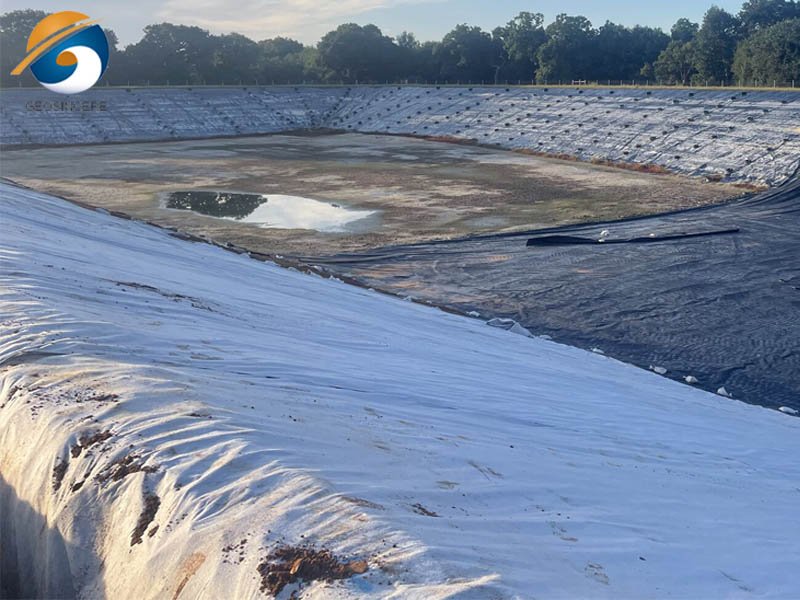
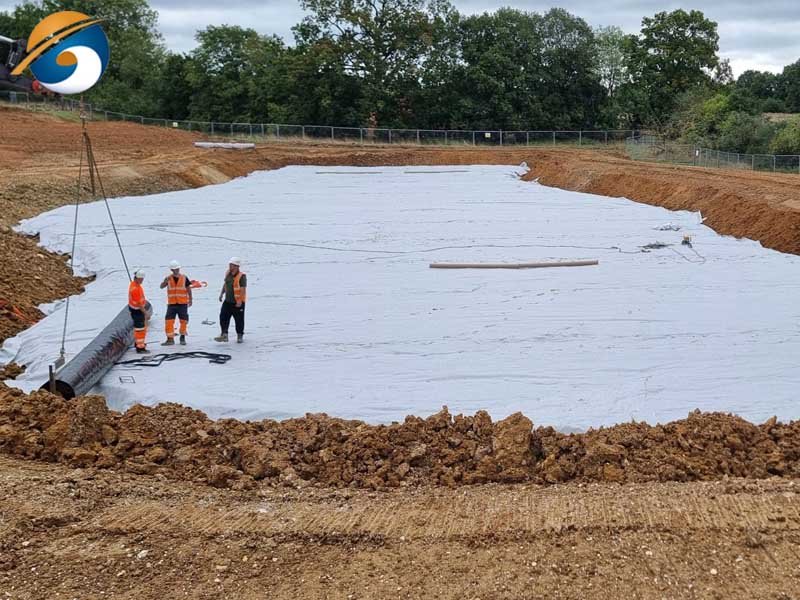
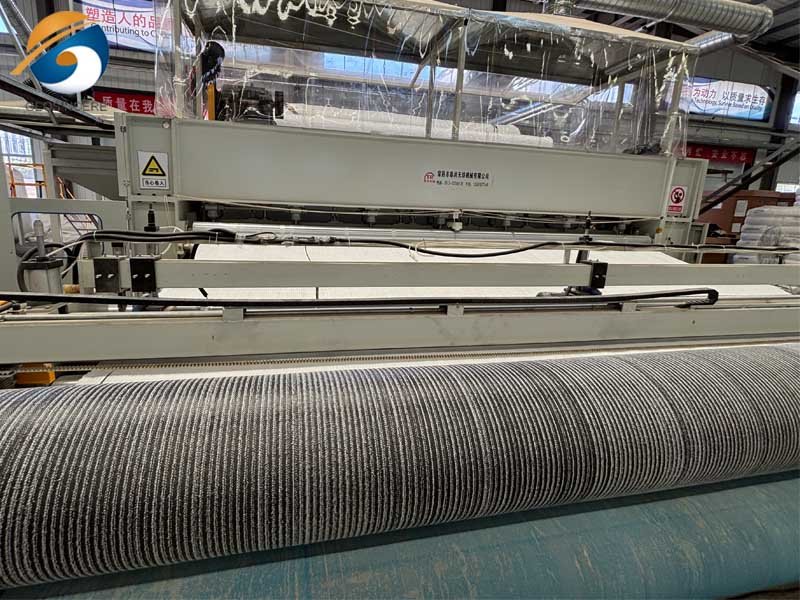
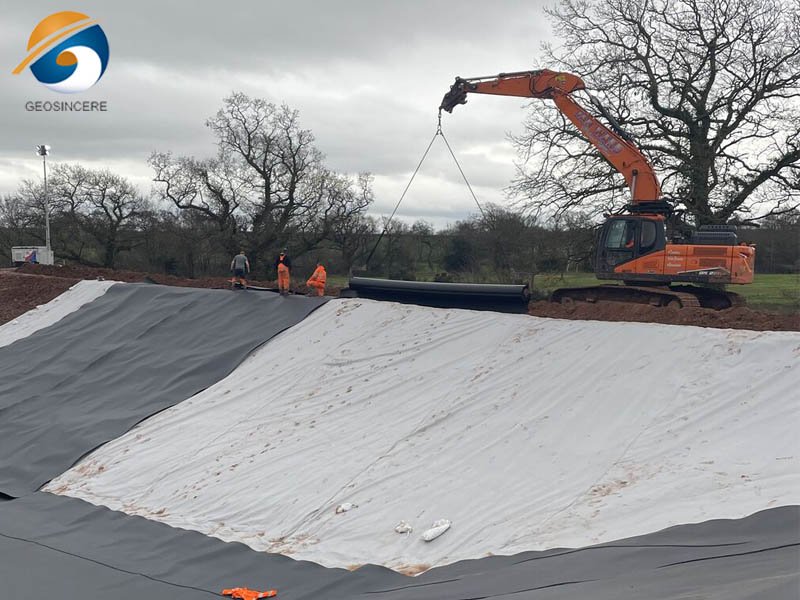
HDPE liner, also known as a HDPE geomembrane liner. HDPE Liner For Sale materials play their own important roles in different types of anti-seepage projects. The Geosino HDPE liner boasts excellent insulation, moisture-proof, and anti-seepage properties. Its non-toxic, tasteless, and odorless attributes make it widely used in agriculture, aquaculture, artificial lakes, reservoirs, and rivers.
In the medium environment of strong acid, strong alkali, strong oxidant and organic solvent, the material properties of HDPE liner can be well exerted and utilized, especially HDPE is far superior to the other two materials in terms of resistance to strong acid, strong alkali, strong oxidation and organic solvent, so HDPE anti-seepage and anti-corrosion membranes have been fully utilized in the chemical and environmental protection industries. Read this article to know more about HDPE liner for sale.
1. Understanding HDPE liner
1.1 What Is HDPE Liner?
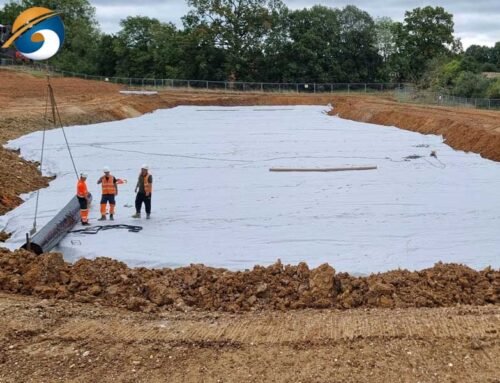
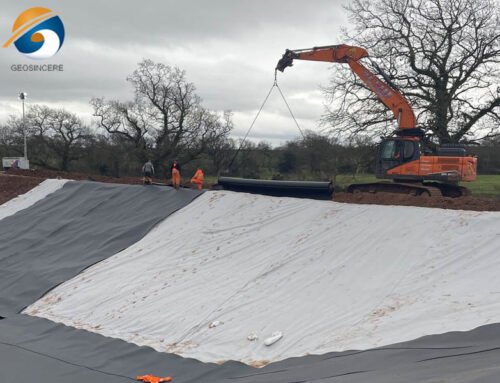
HDPE geomembrane liner is a waterproof and anti-seepage material with good performance. It is laid by hot-melt welding. It has high joint strength and reliable anti-seepage performance. Therefore, it is widely used in anti-seepage reinforcement projects in various fields. The earthen pool structure lined with HDPE geomembrane inherits the advantages of the concrete pool structure, while avoiding the risk of leakage. It is suitable for all kinds of large pools.
1.2 HDPE Liner For Sale – Specification
- Thickness:0.2MM-3.0MM
- Width: 2M*12M
- Color:Black,Blue,Green,White or Customized
1.3 HDPE Liner For Sale – Characteristics
- High strength: high yield tensile strength and high tensile strength at break.
- Good ductility: high elongation and elongation at break, good surface adaptability and weather resistance.
- Good anti-seepage ability: small permeability coefficient.
- Good chemical stability: strong resistance to inorganic acids, organic acids, inorganic salts, alcohols, aldehydes, amines, esters, oils and fats.
- Good resistance to UV aging: The carbon black added to HDPE geomembrane has the ability to resist UV light.
1.4 HDPE Liner For Sale – Types
HDPE liner can be divided into smooth geomembrane, rough HDPE geomembrane and composite geomembrane according to the surface.Since the performance of smooth geomembrane and rough geomembrane is different, their application fields are also different. Smooth geomembrane is mainly used in fields such as anti-seepage and isolation, such as river management and reservoir anti-seepage projects; while rough geomembrane is mainly used in fields such as foundation reinforcement and roadbed protection, such as highway and railway roadbed protection projects.


2. The Application Of HDPE Liner
2.1. Environmental Protection Projects
2.1.1. Landfill:
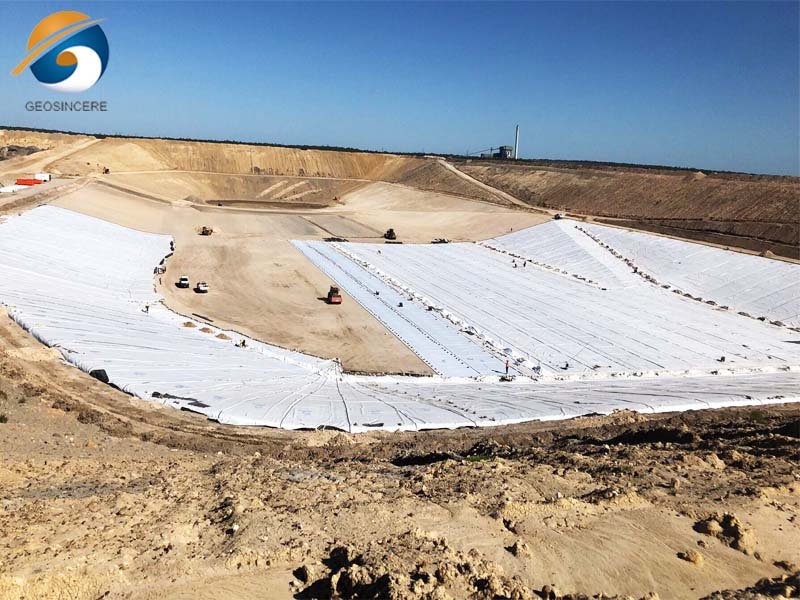
HDPE geomembranes serve as essential barriers in landfill construction projects. Their impermeable nature effectively contains leachate, preventing groundwater contamination. Engineers prefer these liners due to their exceptional chemical resistance against landfill fluids. The material’s durability ensures long-term protection of surrounding water resources. Many modern landfills incorporate HDPE geomembranes as primary containment systems for environmental safety.
2.1.2 Sewage treatment plant:
HDPE geomembranes play a crucial role in sewage treatment plant construction by creating reliable containment systems. Their impermeable properties effectively prevent untreated wastewater from seeping into surrounding soil. Engineers frequently specify these liners due to their resistance to biological and chemical degradation. The material’s durability ensures long-term protection of groundwater resources near treatment facilities. Many municipalities now require HDPE geomembranes as standard components in modern sewage treatment infrastructure.
2.1.3 Industrial solid waste treatment plant:
HDPE geomembranes provide essential containment solutions for industrial and medical waste treatment facilities. Their robust construction resists punctures from sharp waste materials while maintaining a complete fluid barrier. Operators install these liners to prevent hazardous leachate from contaminating surrounding ecosystems. The material’s chemical inertness ensures compatibility with various industrial byproducts and medical waste compounds. Many regulatory agencies now mandate geomembrane use in waste treatment sites for environmental protection.
2.2 Water Conservancy Projects
2.2.1. Reservoir construction:
HDPE geomembranes serve as critical waterproofing components in modern reservoir construction projects. Their impermeable properties effectively minimize water loss through seepage in storage facilities. Engineers prefer these liners because they significantly extend a reservoir’s operational lifespan. The material’s durability withstands constant water pressure and environmental stresses. Many water management authorities now specify HDPE geomembranes as standard for new reservoir developments.
2.22 River management:
HDPE geomembranes provide effective erosion control solutions in river management projects. Workers install these liners along riverbeds to prevent water from seeping into vulnerable soil layers. The material’s smooth surface reduces friction, allowing water to flow freely while minimizing erosion. Engineers select appropriate thicknesses to withstand the river’s current velocity and potential debris impact. Many flood control projects now incorporate HDPE geomembranes to maintain long-term riverbank stability.
2.3. Agricultural Field
2.3.1. Agricultural irrigation:
HDPE geomembranes play a vital role in modern agricultural irrigation systems by creating efficient water containment solutions. Farmers install these durable liners in canals and storage ponds to minimize water loss through seepage. The material’s impermeable nature helps maintain consistent water levels for crop irrigation throughout growing seasons. Agricultural engineers prefer HDPE liners because they significantly reduce water waste while improving distribution efficiency. Many irrigation projects now incorporate these geomembranes to conserve precious water resources in drought-prone regions.
2.3.2 Agricultural breeding:
HDPE geomembranes provide essential containment solutions for modern livestock farming operations. Farmers install these durable liners beneath animal housing areas to create impermeable barriers. The material effectively prevents harmful waste seepage that could contaminate nearby groundwater sources. Agricultural engineers recommend HDPE for its resistance to animal waste chemicals and long-term durability. Many progressive farms now incorporate these geomembranes as standard environmental protection measures in their facilities.
2.4. Construction Field
2.4.1 Basement anti-seepage:
In the field of construction, HDPE geomembrane can be used in the anti-seepage project of basements, which can effectively prevent water seepage in basements and improve the safety and service life of buildings.
2.4.2 Roof anti-seepage:
In the roof anti-seepage project, HDPE geomembrane can also be used to effectively prevent roof leakage and protect the interior of the building from water damage.
2.5. Salt And Mine Industry
2.5.1 Saline-alkali land treatment:
In saline-alkali land treatment projects, HDPE geomembrane can be used to prevent soil salinization, effectively improving soil quality by preventing water evaporation and salt accumulation.
2.5.2 Mining engineering:
In mining engineering, HDPE geomembrane can be used in the anti-seepage project of tailings ponds and mines to prevent accidents such as tailings leakage and mine collapse.
2.6 Aquaculture Field
HDPE liner is widely used in Sea water or fresh water shrimp or fish farming pond,At the heart of any successful aquaculture operation is the ability to reliably breed and maintain a healthy population of fish. Geomembranes as fish hatchery plastic liners provide an optimal environment for fish hatching and early growth stages. These liners offer unmatched durability and corrosion resistance, ensuring a clean, safe environment for hatching young fish.
3. Benefits Of Using HDPE Geomembrane Liner On Pond
3.1 HDPE Liner For Sale – Durability and Resistance
These advanced liners effectively resist tearing while reliably preventing punctures, significantly reducing leakage risks. The durable material performs exceptionally well by consistently withstanding harsh pond conditions, ultimately extending the lifespan of shrimp and fish ponds. Farmers benefit from reduced maintenance requirements as the liners maintain their structural integrity through multiple seasons. Their robust construction minimizes repair needs while delivering consistent performance year after year. This combination of durability and reliability translates into substantial long-term cost savings for aquaculture operations.
3.2 HDPE Liner For Sale – Water Quality Management
These liners effectively prevent soil and contaminants from entering your ponds. Additionally, they help maintain optimal water conditions for shrimp. As a result, shrimp health and growth are significantly improved.
3.3 HDPE Liner For Sale – Cost-Effectiveness
Although the upfront cost is higher, these liners last longer due to their durability. Moreover, they need little maintenance over time. As a result, they save money in the long run.
3.4 HDPE Liner For Sale – Environmental Sustainability
Cross-laminated geomembranes significantly cut water usage in shrimp farming. Furthermore, they lower the risk of polluting the environment. As a result, they enhance the industry’s overall sustainability.


4. How To Choose Suitable HDPE Liner?
Choosing a suitable HDPE liner involves several important considerations to ensure it meets your specific needs effectively. Here’s a step-by-step guide to help you make the right choice:
4.1 Determine the Application
Identify where and how you plan to use the HDPE liner. Common applications include:
- Environmental containment (landfills, hazardous waste sites)
- Water containment (ponds, reservoirs, canals)
- Agriculture (irrigation systems, fish farms)
- Construction (foundation waterproofing, roofing membranes)
- Mining (tailings storage facilities, heap leach pads)
4.2 Assess Thickness Requirements
The thickness of the HDPE liner depends on the application and the level of protection needed:
- 0.75mm to 1.5mm: Suitable for less demanding applications like pond liners or temporary containment.
- 1.5mm to 2.0mm: Common for moderate-duty applications such as agricultural water storage.
- 2.0mm to 3.0mm: Ideal for heavy-duty applications requiring high durability, such as landfill liners and mining operations.
4.3 Check Quality Standards
Ensure the HDPE liner meets relevant quality standards and certifications:
- ASTM Standards: Look for compliance with ASTM D4496/D4496M for geomembranes used in environmental containment.
- GRI Standards: Ensure adherence to GRI GM-13 for geomembrane performance.
- ISO Certifications: ISO 9001 certification indicates quality management systems.
4.4 Consider Environmental Conditions
Evaluate the environmental conditions where the liner will be installed:
- UV Exposure: Choose a liner with UV stabilizers if it will be exposed to sunlight.
- Chemical Exposure: Ensure the liner material is compatible with the chemicals it will contain.
- Temperature Extremes: Select a liner that can withstand the temperature range of your application site.
4.5 Seaming Capabilities
Consider how the liner will be joined together:
- Heat Welding: Offers strong, durable seams suitable for critical applications.
- Adhesive Seaming: Useful for smaller projects or areas where heat welding is not feasible.
- Overlap Seams: Simple but less reliable; generally used for temporary setups.
4.6 Surface Preparation and Installation Method
Prepare the installation site appropriately:
- Smooth Surface: Remove rocks, roots, and other sharp objects that could puncture the liner.
- Grade the Surface: Ensure proper grading to prevent pooling of standing water.
- Protective Cover: Consider using a geotextile fabric to protect the liner from mechanical damage and UV exposure.
4.7 Budget and Cost Considerations
Balance cost with quality:
- Initial Cost vs. Long-Term Value: Investing in a higher-quality liner may reduce long-term maintenance costs.
- Bulk Purchasing: Buying in larger quantities can sometimes reduce per-unit costs.
5. Conclusion
Geomembrane liners offer unmatched customization and flexibility to meet a variety of aquaculture needs. Available in different thicknesses and materials, geomembranes can be tailored to specific site conditions, cultured species, and environmental factors. This adaptability ensures that every aquaculture facility can optimize its operations for maximum productivity and sustainability.